
Comparisons
Binance vs OKX: A Beginner Comparison of Fees, Safety, Wallets, and Use Cases
A neutral beginner comparison of Binance and OKX across regional access, fees, proof of reserves, wallet experience, product complexity, and safety habits.
Updated: June 29, 2026. This article is for education only. It is not investment, legal, tax, or financial advice and does not represent any exchange or wallet provider. Always check the official page in your region before registering, depositing, trading, or withdrawing.
Many searches for “Binance vs OKX” are really asking a more practical question: which platform is easier to understand, safer to start with, and better aligned with a specific use case? This guide avoids declaring a universal winner. Beginners should compare needs first.
Quick comparison
| Dimension | Binance | OKX |
|---|---|---|
| Platform style | Broad exchange ecosystem | Trading tools plus Web3 wallet entry points |
| Fees | Check official fee schedule; levels and product types matter | Check official fee schedule; levels and product types matter |
| Transparency | Proof of reserves page and verification materials | Proof of reserves page, reports, and verification materials |
| Wallet | Binance Wallet emphasizes MPC and built-in risk controls | OKX Wallet emphasizes multi-chain self-custody and DApp access |
| Beginner risk | Product complexity, fake links, account security | Product complexity, wallet approvals, fake links |
How beginners should decide
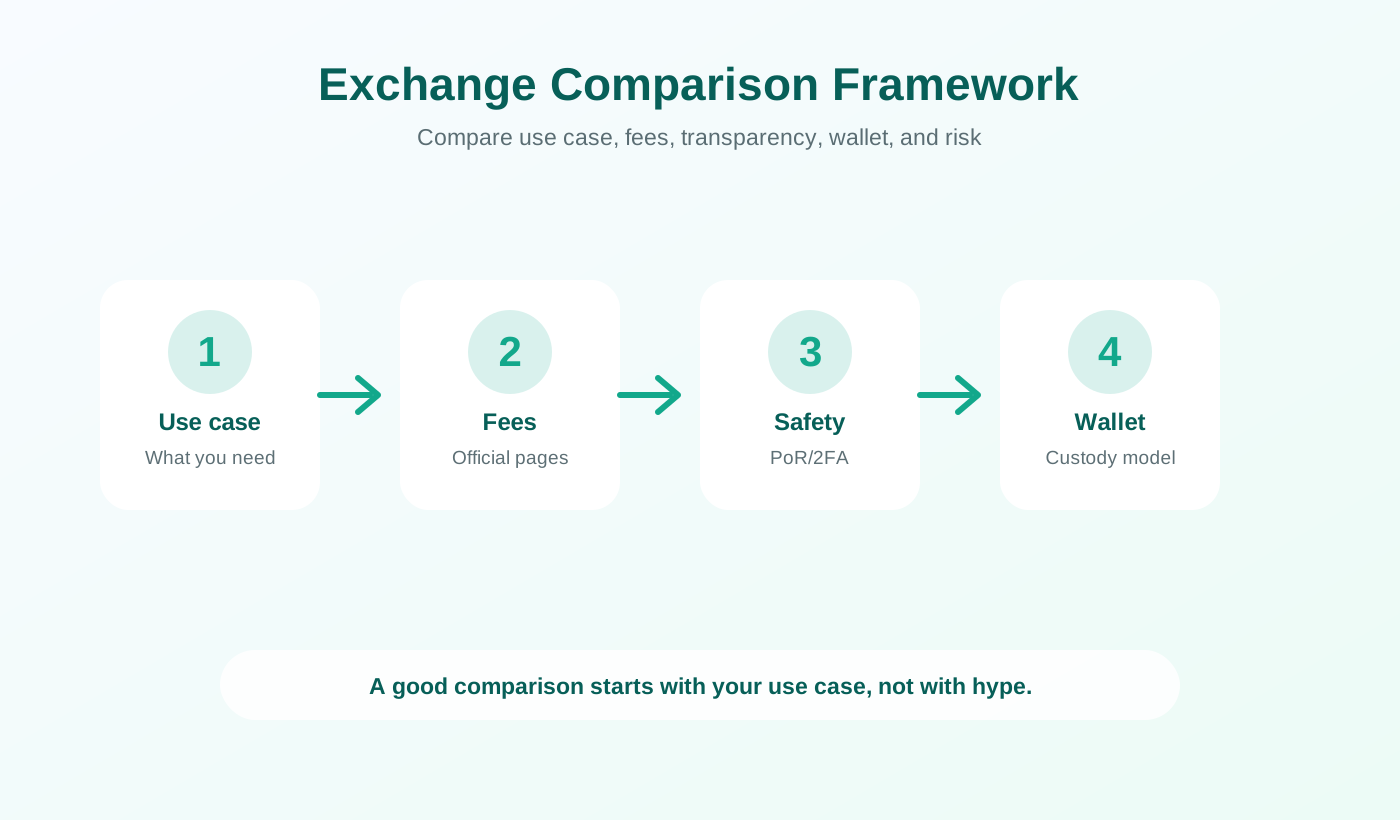
Start with regional availability, identity verification, security setup, supported assets, network support, and small test transfers. Fee differences matter more for frequent traders than for people making occasional beginner transactions.
Wallet experience
Binance Wallet and OKX Wallet are not “risk-free shortcuts.” Wallets introduce responsibility: signatures, approvals, networks, and self-custody. If you do not understand these, learn wallet safety before interacting with DApps.