
Web3 Basics
What Is USDT? Why Network Fees Differ Across Transfers
A beginner guide to USDT, stablecoins, ERC-20, TRC-20, BEP-20, network fees, gas tokens, exchange withdrawal fees, and wrong-network risk.
Updated: June 29, 2026. This article is for education only. It is not investment, legal, tax, or financial advice and does not represent any exchange or wallet provider. Always check the official page in your region before registering, depositing, trading, or withdrawing.
USDT is commonly used as a dollar-denominated stablecoin, but the same token name can exist on different blockchain networks. That is why a transfer screen may show ERC-20, TRC-20, BEP-20, or other network options.
The key idea
USDT is the asset name. The network is the route. The address is the destination. The fee is the cost of using that route.
| Network label | Common network | What beginners should know |
|---|---|---|
| ERC-20 | Ethereum | Common, but gas can be higher |
| TRC-20 | TRON | Widely used for USDT transfers |
| BEP-20 | BNB Smart Chain | Common in BNB Chain ecosystems |
| Other networks | Layer 2 or other chains | Only use if the receiver supports it |
Why fees differ
Fees depend on network rules, congestion, the native gas token, and exchange withdrawal policies. An exchange withdrawal fee is not always the same as a single onchain gas cost.
Before sending
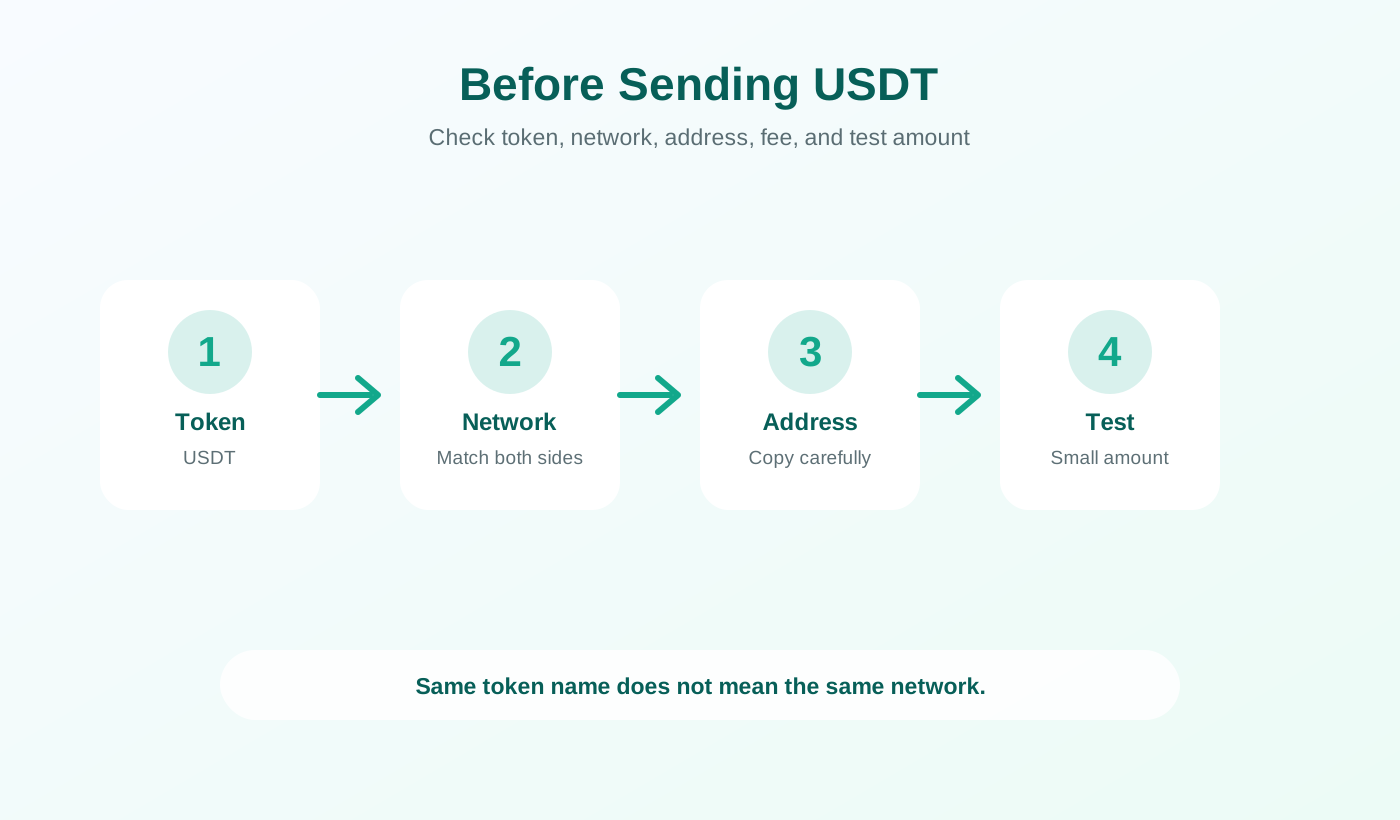
Check the token, network, address, memo/tag if required, minimum deposit amount, confirmations, and final fee. If it is your first time, send a small test amount first.