
Web3 Basics
What Is a Crypto Wallet? Exchange Accounts vs Onchain Wallets Explained
A beginner explanation of crypto wallets, addresses, seed phrases, private keys, signatures, approvals, and how wallets differ from exchange accounts.
Updated: June 29, 2026. This article is for education only. It is not investment, legal, tax, or financial advice and does not represent any exchange or wallet provider. Always check the official page in your region before registering, depositing, trading, or withdrawing.
A crypto wallet does not literally store coins inside an app. Assets are recorded on a blockchain. The wallet helps you manage addresses and sign actions that prove control over those addresses.
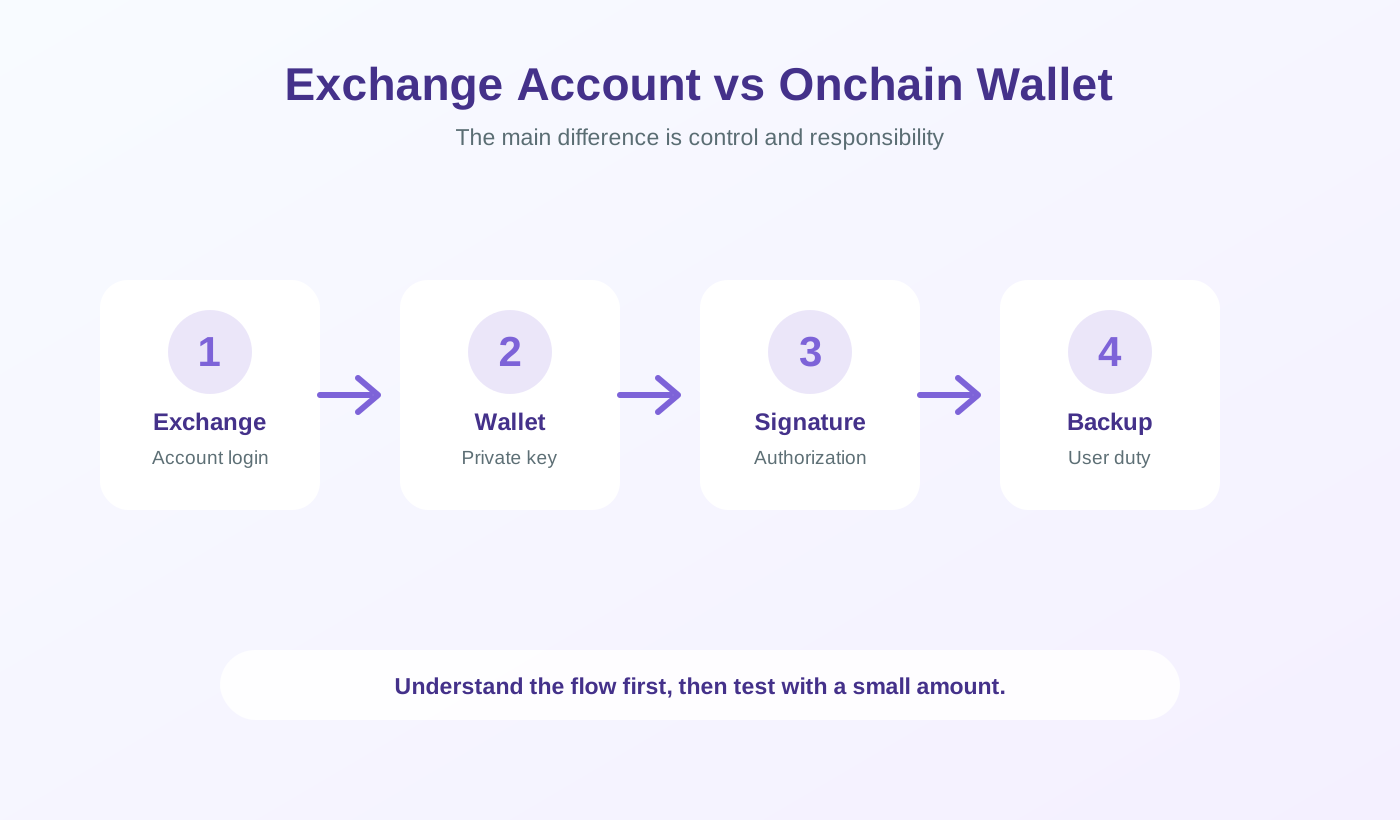
The main difference
| Topic | Exchange account | Onchain wallet |
|---|---|---|
| Access | Email, phone, password, 2FA | Wallet app, private key, seed phrase |
| Control | Platform account system | User-controlled address |
| Recovery | Platform recovery may be possible | Lost seed phrase may be unrecoverable |
| Main risks | Account takeover, platform limits | Bad signatures, leaked keys, wrong network |
Terms beginners should know
An address can receive funds. A private key controls the wallet. A seed phrase can restore the wallet. A signature approves an action. An approval can let a smart contract move tokens under certain conditions.
Safety baseline
Never screenshot, upload, or send a seed phrase. Do not type it into unknown websites. If a signature or approval is unclear, do not confirm it.