
Guides
What Is a Crypto Exchange? Deposits, Spot Trading, Withdrawals, and Fees Explained
A plain-language exchange guide covering accounts, KYC, deposits, spot trading, withdrawals, network selection, fees, and account safety.

Updated: June 29, 2026. This article is for education only. It is not investment, legal, tax, or financial advice and does not represent any exchange or wallet provider. Always check the official page in your region before registering, depositing, trading, or withdrawing.
A crypto exchange is a platform account for buying, selling, depositing, and withdrawing digital assets. It is not the same as a self-custody wallet. On an exchange, the platform manages the account system; with an onchain wallet, the private key controls the address.
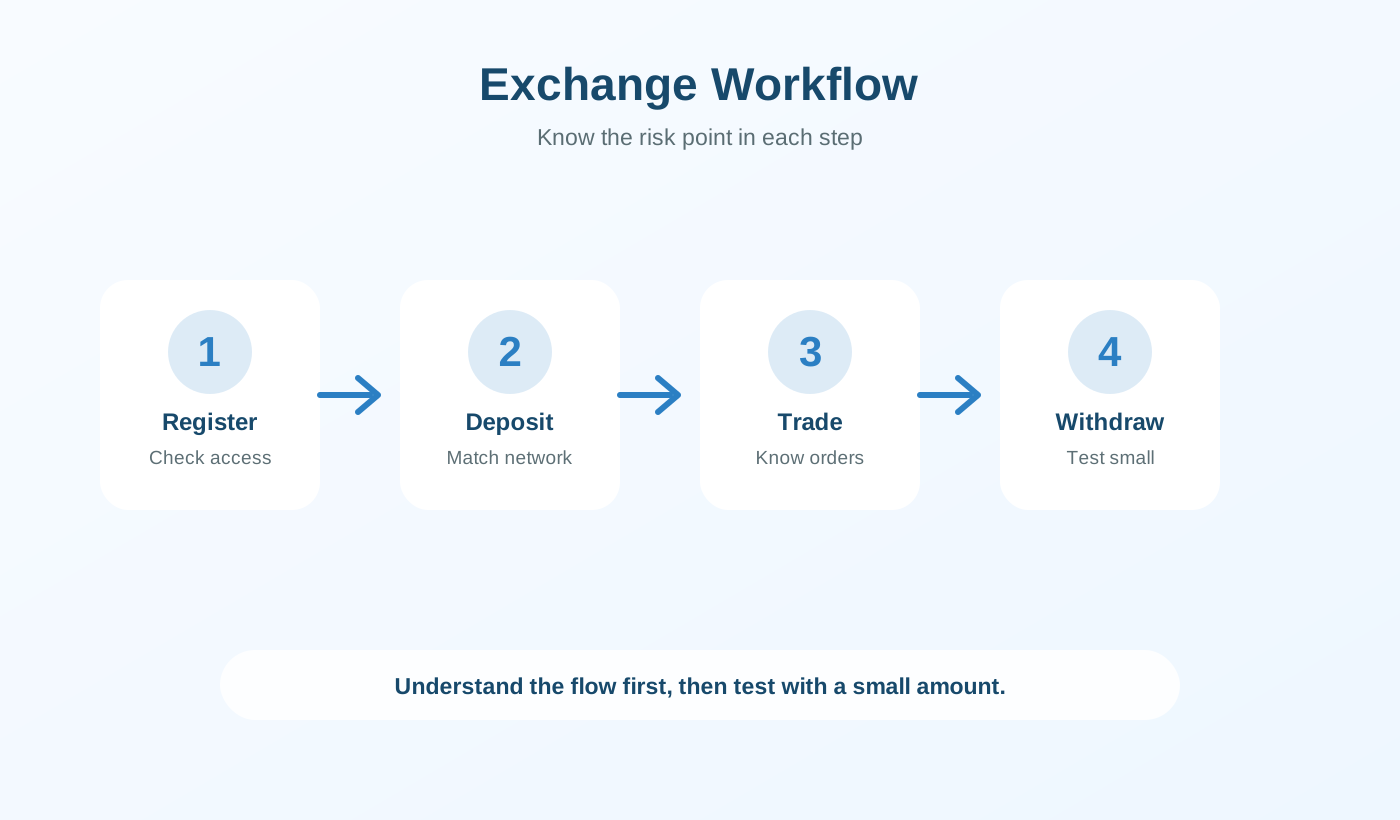
The basic workflow
| Step | What it means | What beginners should check |
|---|---|---|
| Register | Create an account | Regional access and official domain |
| KYC | Verify identity | Required documents and privacy rules |
| Deposit | Move funds into the exchange | Token, network, minimum amount |
| Spot trade | Buy or sell assets | Market vs limit orders |
| Withdraw | Move funds out | Address, network, fee, confirmations |
Deposits and withdrawals are where mistakes happen
Do not only check the token name. If you are moving USDT, the sending and receiving network must match. A small test transfer is often safer than trying to save a little time or a small fee.
Fees are not always one number
Exchange costs can include trading fees, withdrawal fees, network fees, spreads, fiat channel fees, and product-specific fees. Fee schedules change, so use official fee pages and the final confirmation screen.